Retina Clear™ and Reticlear™: Premium Eye-Health Support for Clearer Vision
Retina Clear and Reticlear are premium eye-health supplements designed to support clearer vision, help ease everyday eye strain, and help support the eyes against age-related and environmental stress. They nourish the eyes from within with carotenoids, antioxidants, and plant extracts as part of a healthy lifestyle.
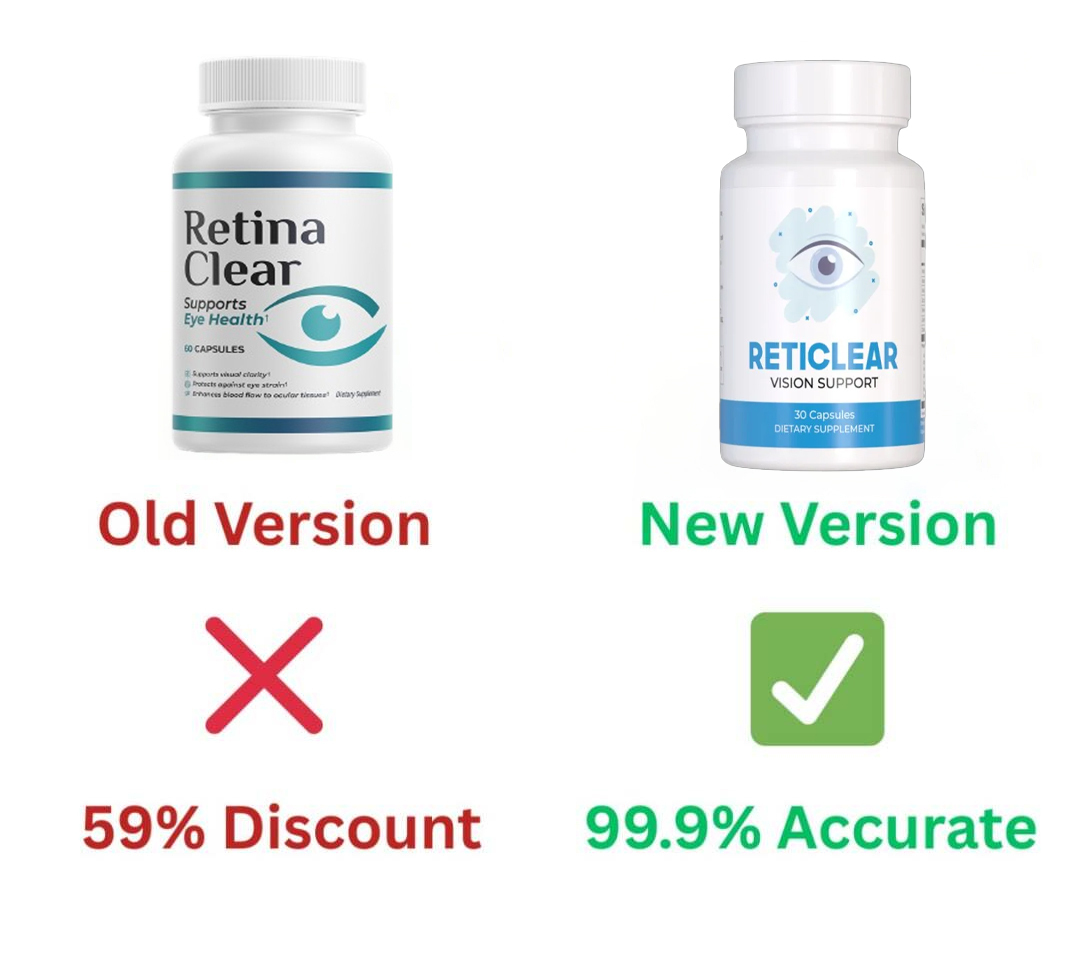
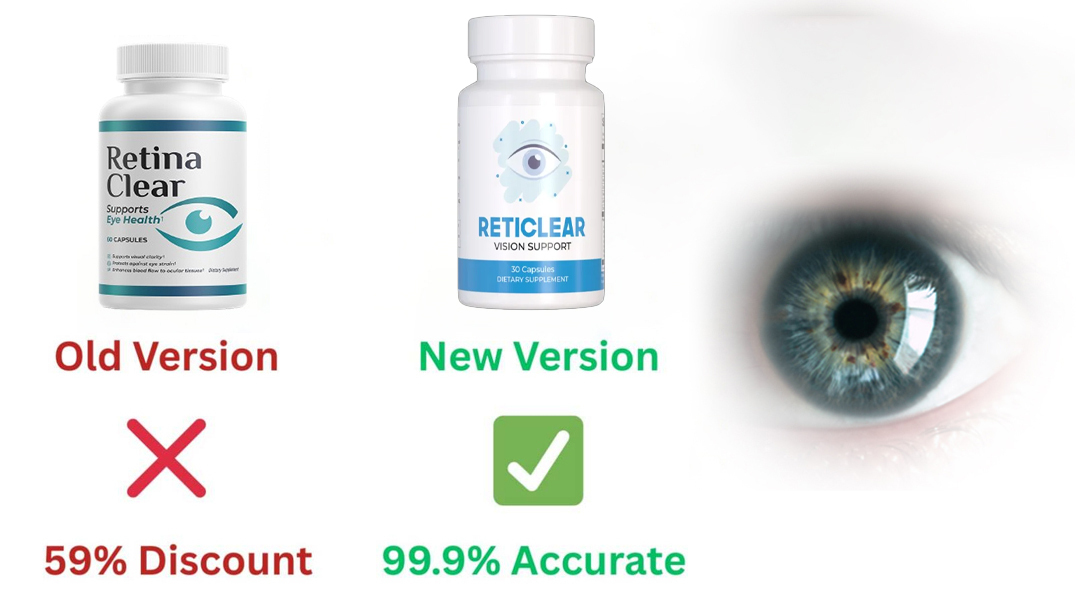
According to the brand, Retina Clear has been renamed Reticlear with a refreshed identity, using the same formula. This page explains what that formula contains, how to use it responsibly, and the habits that matter most for your eyes.
Lutein and zeaxanthin.
Vitamins A and C plus plant extracts.
For people who spend hours on devices.
Two capsules daily per label.
What Are Retina Clear and Reticlear?
Retina Clear is a vision-support formula designed to nourish the eyes with nutrients that are commonly discussed in eye health research. The brand states that Retina Clear has been renamed Reticlear, with the same formula, mission, and 60-day guarantee under a new name and look. If you see both names, they are intended to refer to the same product line, and the label on your bottle is the final word.
The formula features lutein, zeaxanthin, bilberry extract, quercetin, vitamin A, and vitamin C. Together they are intended to provide daily nutritional support for visual comfort, especially for people who spend long hours on screens, drive at night, or want to look after their eyes as they age.
According to the manufacturer, the product is made in the United States in an FDA-registered, GMP-compliant facility, and is non-GMO and gluten-free. As with all dietary supplements, the product itself is not approved by the FDA, and its marketing is based on general research about individual nutrients, not clinical trials on the finished product.
How Do Retina Clear and Reticlear Work?
These supplements are designed to supply the eyes with nutrients that the body cannot make on its own and that may be low in a typical diet. The goal is nutritional support, not treatment. Here is the idea behind each part of the approach.
1. Carotenoids for the macula
Lutein and zeaxanthin are carotenoids that accumulate in the macula, the center of the retina responsible for sharp, detailed vision. They form the macular pigment, which helps filter high-energy blue light. Because the body cannot produce them, intake from food or supplements is the only source.
2. Antioxidants for everyday stress
The retina uses a lot of oxygen and is exposed to light all day, which makes it sensitive to oxidative stress. Vitamin C, vitamin A, bilberry anthocyanins, and quercetin are antioxidants that help protect cells from everyday free-radical activity.
3. Plant extracts and circulation
Bilberry has a long history in traditional eye care, and quercetin is a plant flavonoid associated with healthy circulation and antioxidant activity. Healthy circulation delivers oxygen and nutrients to eye tissues.
4. Vitamin A for low-light vision
Vitamin A is essential for normal vision, particularly in dim light, and for maintaining the clear front surface of the eye.
5. Consistency and lifestyle
Nutritional support works gradually. Taking the labeled serving daily, along with screen breaks, sun protection, a nutrient-rich diet, and regular eye exams, offers the most complete approach to eye care.
The Key Ingredients
The descriptions below are educational and reflect general research on each nutrient. Always check the product label for exact amounts and any additional ingredients.
Lutein
A carotenoid concentrated in the macula. It acts as a natural filter for blue light and contributes to the macular pigment. Dark leafy greens, eggs, and corn are natural sources.
Zeaxanthin
Lutein’s partner in the macular pigment, found in orange peppers, corn, and egg yolks. Studied alongside lutein for visual comfort and macular health.
Bilberry Extract
A close relative of the blueberry, rich in anthocyanins. Traditionally used to support night vision and eye comfort, though research results are mixed.
Quercetin
A flavonoid in onions, apples, and berries, associated with antioxidant activity and healthy circulation.
Vitamin A (Beta-Carotene)
Required for normal vision in low light and for the health of the eye’s surface tissues.
Vitamin C
A water-soluble antioxidant that contributes to normal collagen formation and helps protect cells from oxidative stress.
Food first
Leafy greens such as spinach and kale, orange and yellow vegetables, eggs, citrus, berries, nuts, and oily fish provide many of the same nutrients. A supplement is intended to complement these foods, not replace them.
60-Day Money-Back Guarantee
According to the brand, every order is backed by a 60-day money-back guarantee. If you are not satisfied, contact customer support within 60 days to request a refund. Please read the full refund policy on the order page before you buy.
Order With ConfidenceThe Key Benefits of Retina Clear
These are the intended areas of support, not guaranteed results. Individual experiences vary.
Supports clearer vision
Nutrients associated with the macula and retina, designed to support visual sharpness and detail as part of a healthy lifestyle.
Supports comfort during screen use
Designed to complement good screen habits, which are the most effective steps for everyday eye strain.
Antioxidant support
Vitamins A and C, bilberry, and quercetin help protect cells from everyday oxidative stress.
Supports macular pigment
Lutein and zeaxanthin are the carotenoids that make up the macular pigment.
Supports low-light vision
Vitamin A plays an essential role in normal vision in dim light.
Simple daily habit
Two capsules a day with a meal make consistent nutritional support easy to maintain.
Advantages and considerations
Advantages: a clear ingredient focus, a straightforward daily routine, a one-time purchase option, and a money-back guarantee. Considerations: it works gradually and best with consistency, it is not a substitute for eye care, and results vary from person to person. Ask an eye doctor about chronic or severe eye conditions.
Choose Your Retina Clear Package
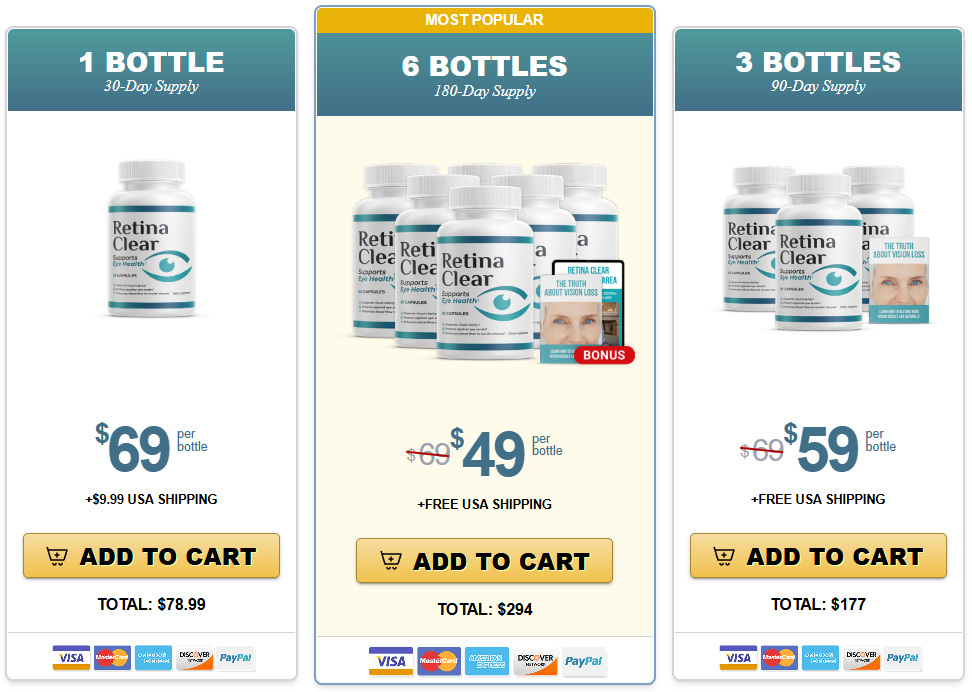
Select the package that suits you at secure checkout. Pricing below reflects the brand’s listed per-bottle rates. Please confirm current prices, shipping, and terms on the order page.
Basic Package
per bottle
1 bottle, 30-day supply
Shipping fee applies
Premium Package
per bottle
3 bottles, 90-day supply
Free shipping listed
Standard Package
per bottle
6 bottles, 180-day supply
Free shipping listed
How to Use Retina Clear and Reticlear
- Read the label. Confirm the ingredients, serving size, and warnings printed on your bottle.
- Take two capsules daily. The label directions describe taking them with a meal and a full glass of water for best absorption.
- Stay consistent. Eye nutrition is a long-term habit, and skipping doses reduces the value of any routine.
- Pair it with eye-friendly habits. Screen breaks, sunglasses, good sleep, and healthy eating multiply the benefit.
- Keep up your eye exams. Tell your eye doctor about any supplements you take.
Where to buy
Buy only through the official order link on this page to receive an authentic product and qualify for the stated guarantee. Be careful with third-party sellers, look-alike domains, and unusually low prices, which can mean imitation or expired products.
Important Safety Information
Talk to a doctor before use if you are pregnant, nursing, planning surgery, or take prescription medication. See an eye doctor for any ongoing eye condition. Never delay care for vision problems because you are taking a supplement.
Ingredient notes
Vitamin A can be harmful in excess, especially during pregnancy, so never exceed the labeled serving and count other supplements and multivitamins. Beta-carotene supplements have been linked to higher lung cancer risk in people who smoke, so smokers should ask a doctor first. Bilberry and quercetin may interact with blood thinners, diabetes medicines, and certain other drugs. Vitamin C in high amounts can upset the stomach. This is not a complete list, so show the label to your doctor or pharmacist.
Realistic expectations
Research on eye supplements is strongest for specific formulas studied in specific groups, such as people with intermediate age-related macular degeneration, and that research does not automatically apply to every product. No supplement can reverse eye disease, cure cataracts, or guarantee better vision. Judge any product over weeks and months, and rely on your eye doctor for diagnosis and treatment.
Seek urgent care
See an eye doctor or emergency department right away for sudden vision loss, a curtain or shadow over part of your vision, new flashes or a shower of floaters, severe eye pain, a chemical splash, or an eye injury.
What People Commonly Look For
People turn to eye-health supplements for many reasons. These are common goals, not promises, and some people may notice nothing.
Screen-heavy days
Office workers, students, and gamers who spend hours on devices often look for ways to keep their eyes comfortable.
Night driving comfort
Some drivers look for nutritional support for low-light vision. Glare or poor night vision should always be checked by an eye doctor.
Healthy aging
Many adults become more proactive about eye wellness after 40, and nutrition is one part of that effort.
Outdoor exposure
Sun, wind, dust, and glare place demands on the eyes, and protective habits matter most.
We do not publish invented testimonials. Add only real, verifiable customer reviews, and avoid any claim that a person’s vision or eye disease changed because of a supplement.
Ten Daily Habits for Healthy, Comfortable Eyes
1. Follow the 20-20-20 rule
Every 20 minutes, look at something about 20 feet away for 20 seconds to relax your focusing muscles.
2. Blink fully and often
Concentrating on a screen lowers your blink rate, which dries the eye surface. Practice deliberate, complete blinks.
3. Set up your screen properly
Keep the screen about an arm’s length away with the top at or just below eye level, reduce glare, and increase text size.
4. Use good lighting
Choose soft, even light, and avoid bright lights directly behind or in front of your screen.
5. Wear quality sunglasses
Choose lenses that block 99 to 100 percent of UVA and UVB rays, and wear them outdoors even on cloudy days.
6. Stay hydrated
Tears are mostly water, and drinking enough fluids supports normal tear production.
7. Sleep well
Seven to nine hours of sleep gives your eyes time to rest and recover.
8. Do not smoke
Smoking is strongly linked to serious eye conditions. Quitting is one of the best things you can do for your eyes.
9. Keep lenses and hands clean
Wash hands before touching your eyes or lenses, replace lenses as directed, and avoid rubbing your eyes.
10. Book regular eye exams
Many eye conditions develop silently. A comprehensive exam every one to two years, or as your doctor advises, catches changes early and keeps your prescription current.
An Eye-Friendly Week of Eating
- Monday: Spinach omelet with whole-grain toast, lentil and carrot soup at dinner.
- Tuesday: Orange or guava snack, grilled fish or paneer with broccoli.
- Wednesday: Sweet potato chaat, a handful of almonds, a pepper and bean salad.
- Thursday: Kale or fenugreek leaves sautéed in olive oil with eggs or tofu.
- Friday: Yogurt with walnuts and berries, pumpkin and tomato curry.
- Saturday: Salmon or mackerel, or chia and flax pudding for vegetarians.
- Sunday: A large colorful salad with whole grains and a shared fruit platter.
Cooking leafy greens in a little healthy oil improves absorption of fat-soluble nutrients such as lutein and vitamin A. Aim for a rainbow of colors across the week.
Eye Health Myths and Facts
Myth: Carrots alone give perfect eyesight
Carrots provide beta-carotene, but no single food guarantees good vision. Variety is what supports your eyes.
Myth: Blue light from screens permanently damages eyes
Current evidence does not show that normal screen use causes permanent eye damage. Screens can cause temporary strain from long focusing, reduced blinking, and glare.
Myth: Reading in dim light harms your eyes
It can cause fatigue, but it is not known to cause lasting harm.
Myth: Supplements can replace glasses or exams
Supplements cannot correct focusing errors or detect disease. Exams and the right prescription remain essential.
Fact: Many eye problems have no early symptoms
That is exactly why routine exams matter. Waiting for symptoms can mean waiting too long.
Signs It Is Time to See an Eye Doctor
- Blurry, hazy, or double vision that does not clear.
- Frequent headaches linked to reading or screens.
- Trouble seeing at night or while driving after dark.
- Persistent redness, burning, swelling, or discharge.
- New floaters, flashes of light, or a shadow in your vision.
- Eye pain, light sensitivity, or any eye injury.
Eye care for the whole family
Encourage children to play outdoors, limit long screen sessions, and have vision checked before the school year. Remind older relatives to keep appointments and use bright, even lighting at home.
Frequently Asked Questions About Retina Clear and Reticlear
Is Retina Clear right for me?
It is designed for adults who want to support their vision and eye comfort alongside healthy habits. If you have an eye condition, take medication, or are pregnant or nursing, ask your doctor first.
What is the difference between Retina Clear and Reticlear?
According to the brand, Retina Clear has been renamed Reticlear with the same formula and a refreshed identity. Check your bottle’s label to confirm.
Is it safe to use?
It is made in an FDA-registered, GMP-compliant facility, according to the manufacturer. Safety for you depends on your health and medicines. Vitamin A, beta-carotene, bilberry, and quercetin can matter in certain situations, so show the label to a healthcare professional.
Is it FDA approved?
No. Dietary supplements are not approved by the FDA. A facility may be registered, but that is not the same as approval of the product.
What is inside a bottle?
The formula features lutein, zeaxanthin, bilberry extract, quercetin, vitamin A, and vitamin C. Check the label for exact amounts and any other ingredients.
How do I take it?
The label directions describe two capsules daily with a meal and a glass of water. Do not exceed the recommended serving.
How many bottles should I order?
One bottle is a 30-day supply. Larger packages offer a lower per-bottle price, but you can start small. Eye nutrition is a long-term habit, so choose what suits your budget and comfort.
Is it a one-time payment?
According to the brand, yes: one-time payment with no auto-billing or subscription. Confirm this at checkout.
What if it does not work for me?
The brand states a 60-day money-back guarantee. Read the refund policy on the order page, and contact customer support within the guarantee period.
Will it fix blurry vision or treat an eye disease?
No. Blurry vision has many causes, including the need for glasses and eye disease. See an eye doctor for a proper exam. This supplement is designed only to support eye nutrition.
Understanding Your Eyes: Retina, Macula, and Everyday Demands
The eye works like a living camera. Light passes through the clear cornea, is focused by the lens, and lands on the retina, a thin layer of light-sensitive tissue at the back of the eye. The retina converts light into electrical signals that travel along the optic nerve to the brain, which assembles them into the images you see.
The macula and sharp vision
At the center of the retina sits the macula, a small area packed with cells that handle fine detail, such as reading, recognizing faces, and driving. Lutein and zeaxanthin are concentrated here, which is why they are so often discussed in eye nutrition.
Why the eyes are demanding tissue
The retina is among the most metabolically active tissues in the body. It consumes a lot of oxygen, receives light all day, and must constantly repair itself. That combination makes antioxidant nutrition an area of interest for researchers, although nutrition is only one factor alongside genetics, age, smoking, and overall health.
Modern life and the eyes
Screens, artificial lighting, long commutes, air conditioning, and less time outdoors all change how we use our eyes. Close-up focusing for hours reduces blinking and can leave eyes dry or tired. Spending time outdoors in natural light, taking regular breaks, and keeping your prescription current are some of the simplest ways to look after your vision.
Building a routine you can keep
Start with one or two habits, such as the 20-20-20 rule and sunglasses, then add a daily nutrition habit and a yearly exam reminder. Write down how your eyes feel at the end of the workday for a couple of weeks and notice the effect of breaks, lighting, hydration, and sleep. If anything worsens or changes suddenly, speak with an eye doctor promptly.
Support Your Eyes Every Day
Retina Clear and Reticlear are designed to be one supportive part of an eye-care routine that includes screen breaks, sun protection, good nutrition, and regular exams.
Get Retina Clear™Conclusion
Retina Clear and Reticlear are eye-health supplements featuring lutein, zeaxanthin, bilberry, quercetin, and vitamins A and C, designed to support clearer vision and everyday eye comfort as part of a healthy lifestyle. The information on this website is for educational purposes only and is not medical advice. Statements regarding these products have not been evaluated by the U.S. Food and Drug Administration. These products are not intended to diagnose, treat, cure, or prevent any disease. Individual results may vary. Consult your healthcare provider before using any dietary supplement, especially if you are pregnant, nursing, taking medication, or have a medical condition.